Silhouette of Children Classroom Teaching: Exploring Visual Concepts in Education
Understanding the Symbolism Behind Silhouette Imagery in Learning Environments
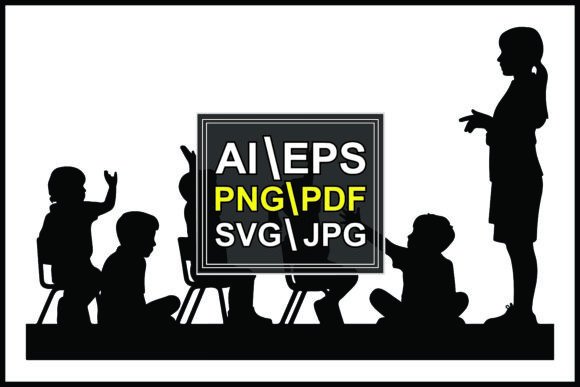
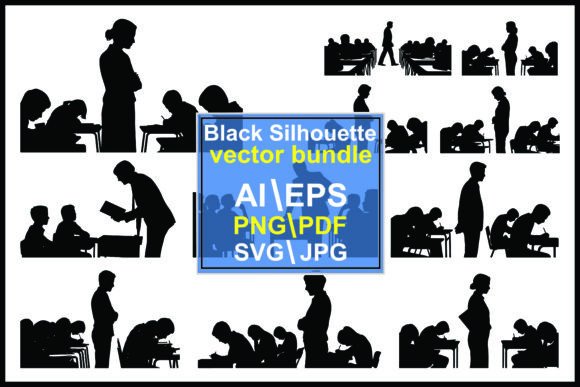
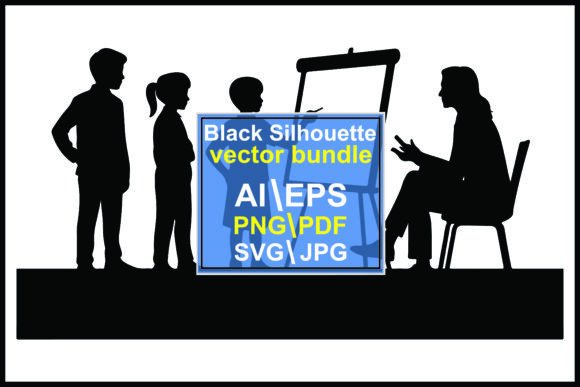
The visual motif of a silhouette of children classroom teaching has become a powerful symbol in educational design, illustration, and conceptual representation. This minimalist approach—often rendered in black and white—conveys a universal understanding of teaching, learning, and classroom interaction. Whether used in vector graphics, presentations, or printed materials, these silhouettes encapsulate the essence of education without the distraction of detailed features.
At its core, silhouette imagery emphasizes form, action, and composition. In the context of a classroom, these outlines depict various educational activities—pointing at a whiteboard, sitting in a group, standing for a presentation, or engaging in peer discussion. These visual cues are not only symbolic but also functional, especially when used in digital or print design projects aimed at representing learning environments in a clean, scalable format.
Practical Applications of Silhouette Graphics in Educational Content
Designers, educators, and content creators often utilize silhouette of children and classroom teaching graphics to illustrate educational themes in a variety of formats. These include:
- Infographics explaining learning methodologies
- Presentations for teacher training programs
- Illustrations for curriculum development resources
- Visual assets for school websites and promotional materials
- Vector-based illustrations in educational software interfaces
Because silhouettes are simple and scalable, they can be used effectively across different media without losing clarity or meaning. This makes them ideal for representing abstract ideas such as teamwork, communication, mentorship, and knowledge development in a universally recognizable format.
Benefits of Using Silhouette-Based Vector Graphics
One of the most compelling reasons to incorporate silhouette imagery into educational materials is its versatility. A silhouette of children and classroom teaching vector bundle can be adapted for use in:
- Print Media: Brochures, posters, and handouts benefit from the clean, professional look of silhouette graphics.
- Digital Platforms: Websites, e-learning modules, and mobile apps often use silhouettes due to their lightweight file size and adaptability to different screen sizes.
- Presentation Slides: PowerPoint and Google Slides can be enhanced with silhouette illustrations to visually support educational concepts.
- Branding Materials: Schools, tutoring centers, and educational startups use these graphics to reinforce their brand identity in a professional yet approachable way.
Beyond aesthetics, these graphics offer practical advantages such as ease of customization. Since they are typically available in multiple file formats (JPG, PNG, AI, EPS, SVG, and PDF), users can manipulate them for different design needs—whether it’s resizing for a billboard or embedding in a digital worksheet.
How to Effectively Use Silhouette Graphics in Educational Design
While the visual appeal of silhouette graphics is evident, their effective use depends on how well they align with the intended message. Here are some best practices for integrating these visuals into educational content:
- Contextual Relevance: Choose silhouettes that accurately reflect the specific educational scenario—whether it’s a teacher guiding a group discussion or students collaborating at an easel.
- Color Coordination: Though traditionally black and white, silhouettes can be recolored to match brand palettes or highlight specific educational themes.
- Layering and Composition: Combine multiple silhouette elements to create dynamic scenes—such as a classroom layout with a whiteboard, students, and interactive learning tools.
- Scalability Consideration: Always use vector formats (like SVG or AI) when high-resolution scaling is required, especially for print or large-format digital displays.
For example, a whiteboard student silhouette might be used alongside a teacher silhouette to visually represent a mentorship dynamic. Similarly, a group of children sitting in a circle could symbolize collaborative learning or peer interaction.
Exploring File Formats and Accessibility in Silhouette Bundles
When purchasing or downloading a silhouette vector bundle, it’s important to understand the various file types included and how they can be used. The typical bundle includes:
- JPG: Best for quick sharing and embedding in documents where high resolution isn’t critical.
- PNG: Ideal for transparent backgrounds and higher quality than JPG.
- AI: Adobe Illustrator files that allow for full editing and customization.
- EPS: Encapsulated PostScript files suitable for professional printing and scalable illustrations.
- SVG: Scalable Vector Graphics perfect for web use and responsive designs.
- PDF: Portable Document Format that preserves layout and quality across devices.
- ZIP: A compressed folder containing all file types, which can be extracted using tools like WinZip or WinRAR.
These formats ensure that users—whether they are educators, designers, or business owners—can access and implement the graphics in a variety of settings. For instance, a teacher creating a digital worksheet might use PNG files for ease of placement, while a graphic designer developing a school brochure might prefer the editable AI or EPS formats.
Real-World Examples of Silhouette Use in Educational Contexts
Across various industries, the silhouette of children classroom teaching has found its way into numerous applications. Here are a few examples:
- Teacher Training Modules: Used to visually represent different classroom roles and interactions during instructional design.
- Curriculum Development Tools: Incorporated into lesson planning templates and activity guides to illustrate engagement strategies.
- Educational Infographics: Depicting student-teacher dynamics, learning styles, or classroom setups in a visually digestible format.
- Website Design: Used as icons or background elements to enhance the user experience of educational websites.
- Marketing Materials: Schools and educational programs use these graphics in brochures, banners, and social media content to convey a sense of learning and community.
These examples demonstrate how versatile and impactful silhouette graphics can be when used thoughtfully. Their simplicity allows them to be interpreted in multiple ways, making them suitable for both literal and conceptual representations of education.
Considerations When Choosing Silhouette Graphics for Educational Use
While silhouette graphics are highly adaptable, there are several considerations to keep in mind when selecting or using them:
- Copyright and Licensing: Ensure that the graphics you use come with appropriate licensing for your intended use, whether personal, educational, or commercial.
- Quality and Resolution: Vector files are preferable for high-quality reproduction, especially when scaling is involved.
- Cultural Sensitivity: Choose graphics that represent diverse classroom settings and inclusive learning environments.
- File Compatibility: Check that the file formats provided are compatible with your design software or platform.
- Consistency in Style: When using multiple graphics, ensure they share a similar aesthetic to maintain visual harmony in your project.
By keeping these considerations in mind, users can ensure that their use of silhouette graphics is both effective and appropriate for their specific educational context.
Conclusion: The Enduring Relevance of Silhouette Graphics in Education
The silhouette of children classroom teaching remains a popular choice among designers and educators due to its simplicity, versatility, and ability to convey complex educational ideas through minimal visual elements. Whether used in a digital presentation, a printed handout, or a website layout, these graphics offer a clean and professional way to represent the dynamics of learning environments.
As educational content continues to evolve, the demand for high-quality, scalable, and adaptable visual assets will only grow. Silhouette graphics—especially those offered in comprehensive vector bundles—provide a practical and aesthetically pleasing solution for creators across various fields. By understanding their uses, formats, and best practices, professionals can harness the power of these visuals to enhance their educational materials and communicate more effectively with their audiences.